
Featured projects
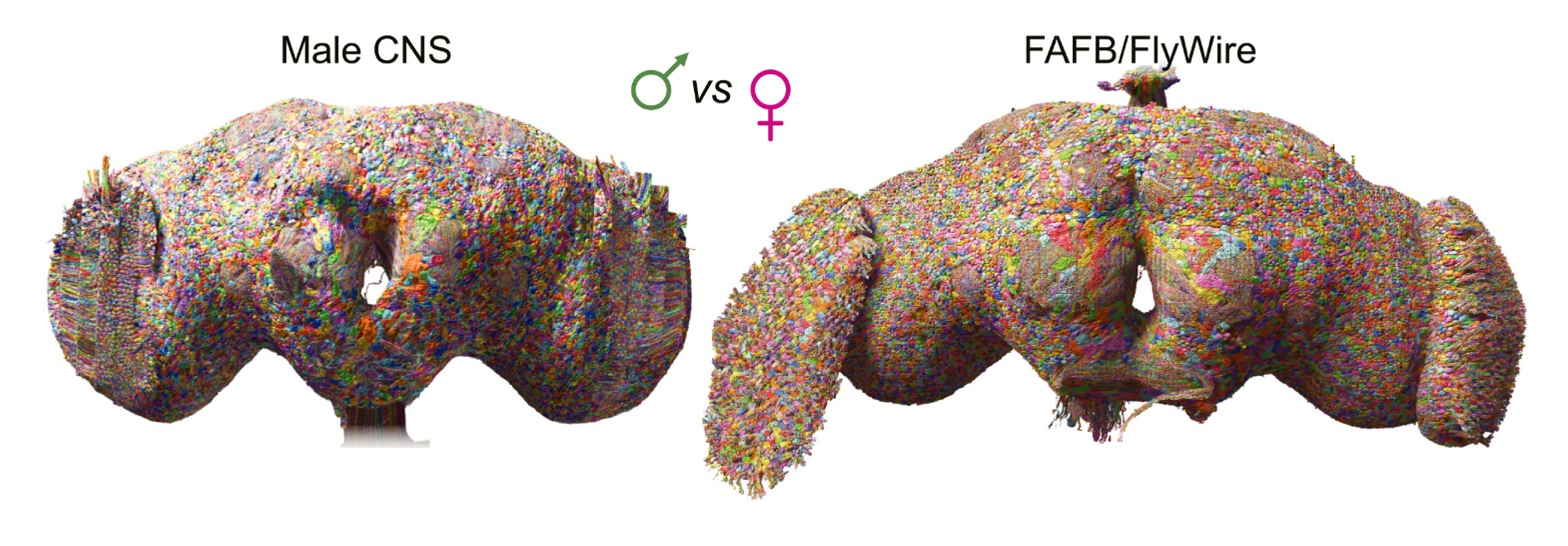
What makes a male brain? Sexually dimorphic circuitry in the Drosophila male CNS connectome
Over the past decade, connectomic analyses of the fruit fly Drosophila melanogaster have transformed our understanding of brain wiring. These tiny animals are mere millimetres in length, yet they possess intricate nervous systems capable of complex sensorimotor processing, decision making and behaviour. For the first time, research teams from institutions including Cambridge University, Janelia Farm, Google, and others have mapped the complete central nervous system (CNS) connectome of an adult male Drosophila melanogaster. With this milestone, we can finally begin to understand how sexually dimorphic animal behaviours can arise from differences in circuit architecture.
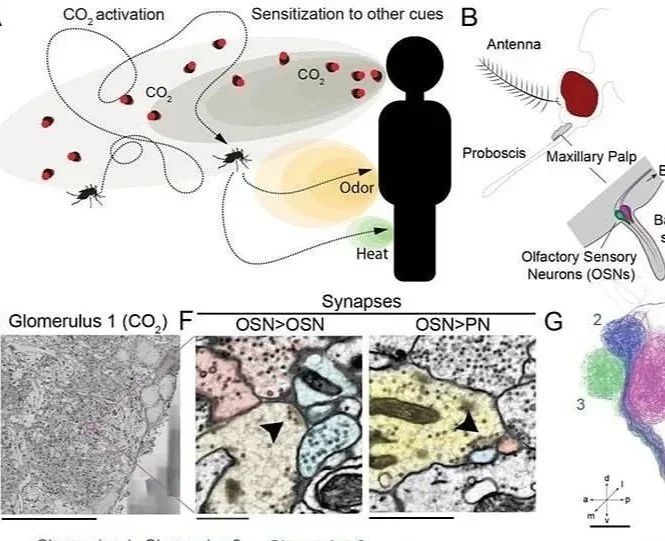
Recurrent connectivity and ribbon-like synaptic structures: how disease-vector mosquitoes sense carbon dioxide from human hosts
Mosquitoes. Their bite can be itchy, irritating - and potentially even lethal, given their role in spreading some of the world’s most serious infectious diseases. Understanding mosquito physiology is a crucial global health challenge, yet these dipteran insects remain considerably under-studied compared to their Drosophilid relatives. When we think about mosquitoes, it’s mostly about how to avoid them. But turn that thought around, and we are left with a fascinating question:
How does the mosquito find you?
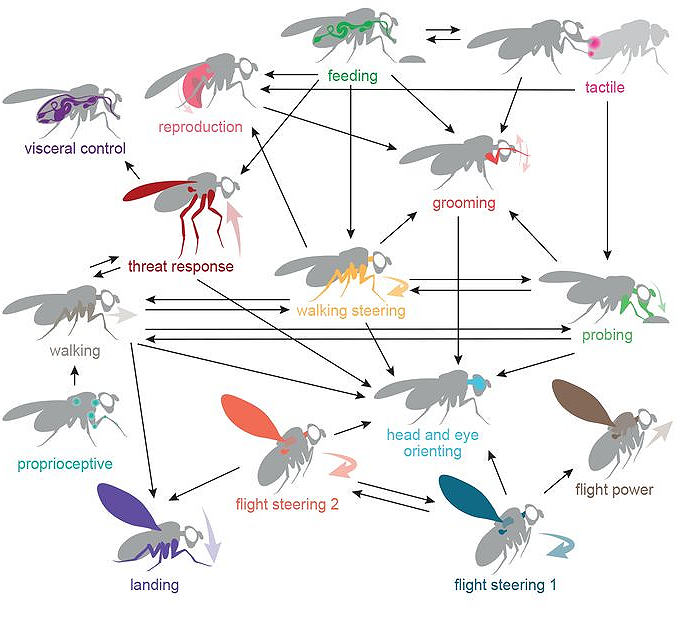
The Brain-and-Nerve-Cord (BANC) connectome: how behavioural control is distributed across a nervous system
We are very excited to share the results of one of our most ambitious collaborations: the Drosophila Brain-and-Nerve-Cord (BANC) connectome. This has been a groundbreaking international effort, led by researchers at Harvard and Princeton Universities, which has brought together academic, industry and citizen science teams worldwide.
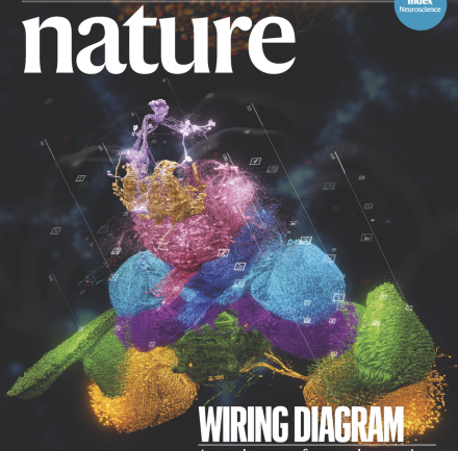
FlyWire: the complete, annotated brain map of an adult Drosophila melanogaster
140,000 neurons, 50 million synapses. For the first time, the complete adult brain map of the fruit fly Drosophila melanogaster - one of biology’s most versatile model organisms - has been revealed in all its complexity. At Aelysia, we are proud to be part of the FlyWire Consortium, the international network of researchers behind one of the most ambitious connectomics projects ever realised.